| Rate/Vote |  Loading... |
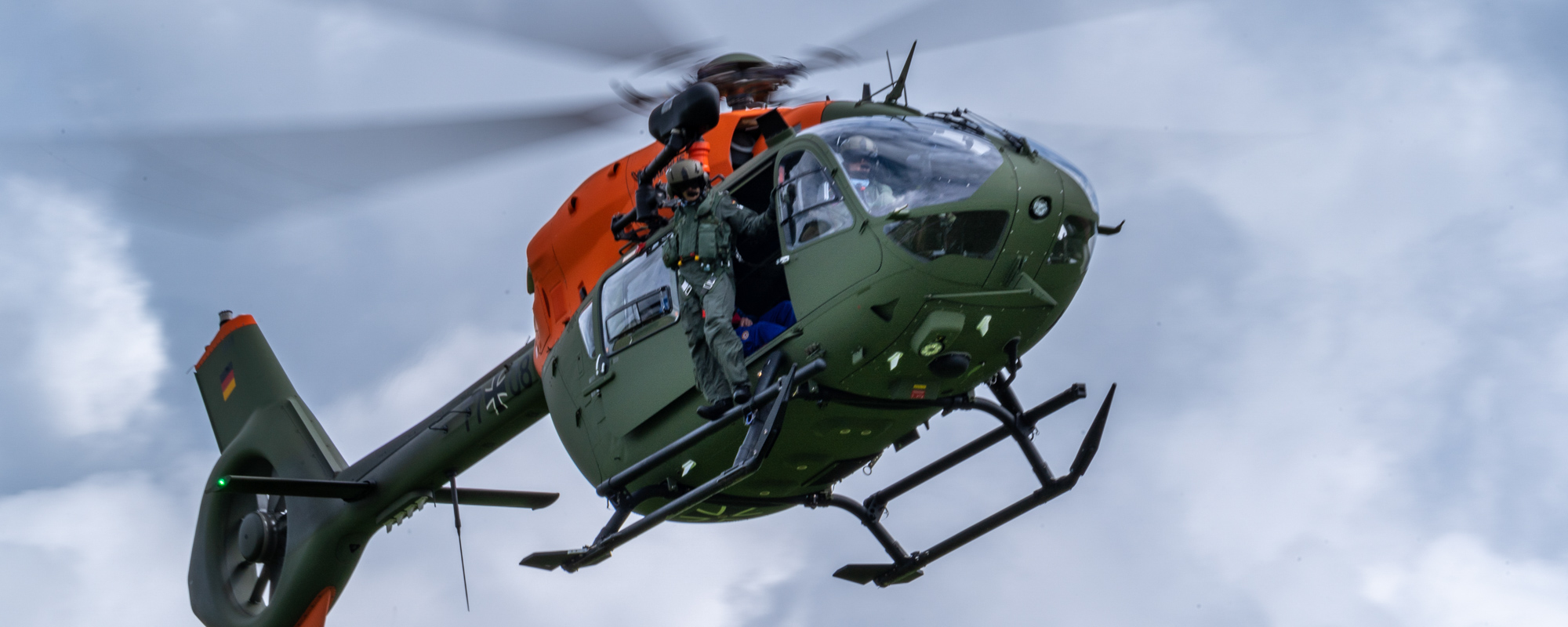
In July I visited the Airbus Helicopters factory in Donauwörth and spent time with Antoine van Gent, the Head of Development Flight and Ground testing for Germany. We talked about the helicopter flight testing process, some of the cultural aspects, the collaboration between pilots and the flight test engineer as well as his participation in a landing of an H145 on top of the Aconcagua mountain.
| Rate/Vote | Loading... |
The climate situatation is getting more and more dire, and in order to reach the goals the international community has set for themselves, engineering solutions seem increasingly necessary. After talking about solar geoengineering in episode 385, we will look at direct air capture in this episode. Direct Air Capture is a family of technologies that allow the extraction of CO2 from the atmosphere. My guest Peter Psarras explains the technology, the economics and also the political and moral challenges associated with the technology.
| Rate/Vote | Loading... |
The beam dump is a large graphite block used to take up the energy stored in the LHC beam in case the beam needs to be shut down. Since the energy in the beam can be as high as the kinetic energy of a landing 747-400, designing and operating the dump is challenging. In this episode, Marco Calviani, who heads the group that is responsible for this and other beam dumps at CERN, tells us about how the dump works, and what they have recently changed in order to cope with the higher luminosity in future configurations of the LHC.
| Rate/Vote | Loading... |
It’s been 377 episodes and we have not yet dedicated one to the F-18. This changes now. In the episode we first talk with Jerry Deren, a former US Navy Hornet pilot who also flew with the Blue Angels; we cover both aspects of his career. In part two we chat with Nick Anderson, former RAAF F-18 pilot (and co-host of the Airline Pilot Guy podcast). We chat about his experience flying the Hornet Down Under, focussing on quirks and funny stories.
| Rate/Vote | Loading... |
The main part of this episode is about flying the F-22 Raptor, the most modern air superiority fighter in the inventory of the USAF. Our guest is Dan Javorsek, callsign Animal, who has previously flown the Raptor in operational test. Dan has also been the initiator of the Alpha Dogfight trials, where an AI was tested against a real pilot in a simulator air-to-air engagement. Dan also flew the F-117 and the F-35, so we cover those airplanes as well.




 (average: 4.50)
 (average: 3.69)














 This website uses cookies to improve your experience. We'll assume you're ok with this.
 Diese Webseite verwendet Cookies. Wir gehen davon aus, dass das für Sie/Dich in Ordnung ist.